A “tatto” tattoo carries a specific, self-aware meaning: it references the act of tattooing itself, often embracing the permanence, commitment, or even the accidental nature of body art. Some wear it as a deliberate misspelling that comments on the impulsive decision to get inked, while others use it to celebrate tattoo culture as a defining part of their identity.
Who Chooses This Tattoo
The people drawn to this design usually sit in one of two camps. Either they’re deep in tattoo culture, artists, collectors, shop regulars, or they’re newcomers who want to mark the moment they joined the club. There’s a third group too: those who got a misspelling by accident and decided to own it, turning a mistake into the point.
Industry Insiders and Lifelong Collectors
For people who spend serious hours in shops, “tatto” functions as insider shorthand. It signals that you’re not casual about this. Placement tends to be visible, forearms, hands, necks, because the wearer wants it seen by others who know the reference. Line work dominates here; bold, clean lettering that reads fast from a distance. These tattoos age better than fine script because the letters stay legible even as ink spreads slightly over years.
First-Timers and the Accidental Statement
Someone walks in wanting their first piece, picks a word that feels meaningful, and walks out with a typo. Some fix it. Others lean in. The accidental “tatto” becomes a story about imperfection, about the irreversible nature of the medium. It can also serve as a warning to others: proofread your stencil, or don’t, either way, you’re stuck with it.
Personal & Modern Meanings
Beyond the literal, this design layers personal significance depending on context. The missing ‘o’ creates negative space that some interpret as absence, incompleteness, or the idea that something essential remains unfinished.
- Permanence as philosophy: The word itself, even broken, cannot be removed. That becomes the message.
- Identity marker: For those heavily tattooed, it names the practice that shaped their appearance and social circles.
- Humor and humility: Wearing a misspelling shows you don’t take yourself too seriously, or that you can absorb a mistake and reframe it.
- Rebellion against perfection: In an era of curated Instagram bodies, a deliberate flaw rejects polish.
Modern interpretations also touch on the democratization of tattooing. As the industry exploded, quality varied wildly. “Tatto” can nod to that chaos, the scratchers, the kitchen magicians, the Saturday night decisions that somehow became permanent.
History & Cultural Roots
The word “tattoo” itself entered English through Polynesian and Pacific Islander cultures, often linked to the Samoan “tatau” or Tahitian “tatu.” European sailors encountered the practice and brought the term back, though the practice predates recorded contact by centuries across multiple continents.
The Misspelling Tradition
Misspelled tattoos have circulated as long as tattooing has been commercial. Sailor Jerry’s flash sheets sometimes contained intentional errors, and street shops historically worked fast with stencils that smudged or transferred poorly. The “tatto” variant specifically gained traction in the 1990s and 2000s as tattoo television and magazines exploded, making visible errors into shared cultural moments. Some trace it to specific viral photos; others see it as an inevitable product of volume work in busy shops.
Self-Aware Ink in Contemporary Culture
By the 2010s, tattooing had become self-referential. Artists tattooed machines, shop logos, and the word itself. The misspelling evolved from accident to aesthetic choice, influenced by design trends that embraced imperfection, raw lettering, “ignorant style” work that mimicked amateur execution deliberately. This placed “tatto” in conversation with a larger movement that questioned who had authority to make “good” art.
Design Tips & Pairings
Lettering tattoos live or die by execution. The missing letter in “tatto” creates specific design challenges and opportunities.
Lettering Styles That Work
Traditional American bold script holds up longest. The heavy lines resist blowout and fading. Fine-line cursive can work for the deliberate irony crowd, but expect detail loss within five to seven years, especially on high-movement areas like wrists or ribs. All-caps block letters read clearest from distance; mixed case creates visual rhythm but demands more space.
Color choices matter. Black-only ages most predictably. Red ink fades faster and can shift to pink or orange depending on brand and skin chemistry. White highlights over black often disappear entirely as the white pigment gets absorbed or expelled.
Common Pairings and Compositions
- Tattoo machine imagery: Coils, tubes, or full machine renderings frame the word as occupational tribute.
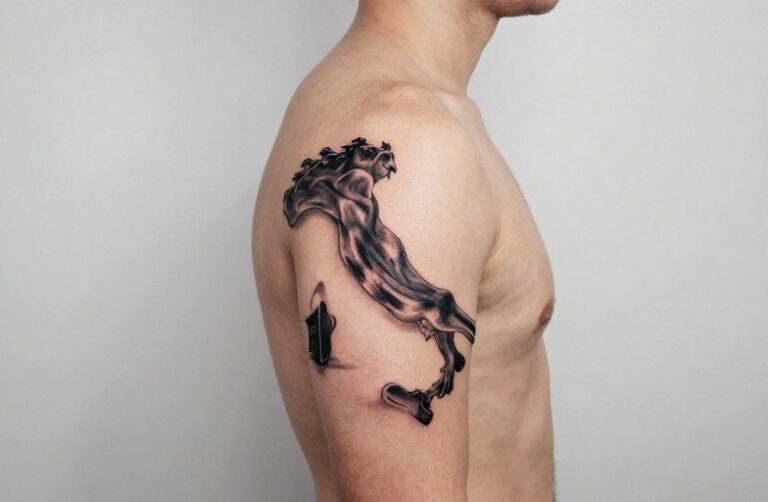
- Skin rip or peeling effects: Reveals the word underneath as if it were always there, playing with layers.
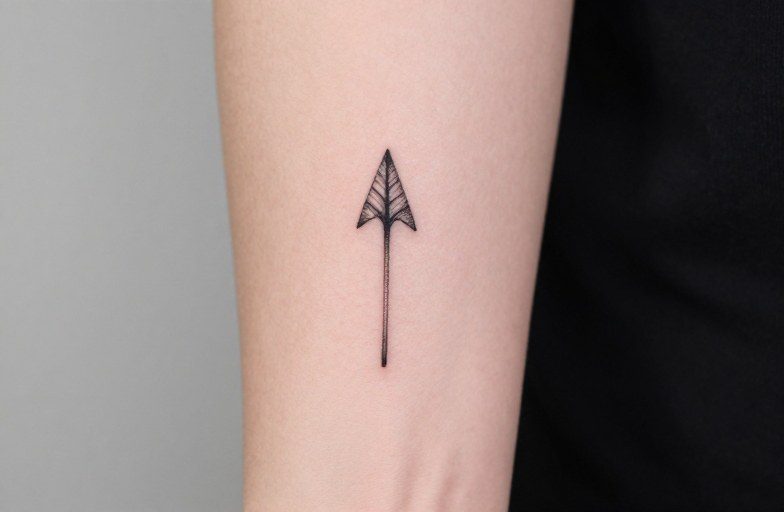
- Arrow or banner: Classic Americana framing that contextualizes the word in established visual language.
- Isolated text: No imagery, just the word, relying on placement and scale for impact.
Placement affects meaning. Hands and fingers broadcast the message; ribs and thighs keep it private. The chest over the heart reads as earnest commitment to the practice. Behind the ear suggests intimacy, something shared only in close quarters.
Religious & Spiritual Angles
While not inherently religious, the concept of permanent marking carries spiritual weight across traditions. Some Christian traditions reference Levitical prohibitions against marking the body; others see tattooing as covenant, a permanent sign of belonging. The word “tatto” itself can become a meditation on imperfection as spiritual practice, accepting the flawed, the incomplete, the human.
In Buddhist and Hindu contexts, sacred marking has ancient precedent. Yantra tattoos in Thailand, often linked to Sak Yant tradition, carry specific blessings. A secular word like “tatto” doesn’t directly participate in these lineages, but collectors sometimes place it in conversation with spiritual pieces, creating personal narrative across the body.
The missing ‘o’ has been interpreted by some wearers as a void, a space for possibility, or a representation of the unseen, concepts that echo across multiple spiritual frameworks without belonging to any single one.
How It Ages on Skin
Lettering tattoos age differently than imagery. Without surrounding context, each letter must maintain integrity or the word becomes illegible.
Technical Realities
Over time, ink particles migrate slightly from their original placement. This blowout blurs edges, particularly in areas with thin skin or high movement. The double ‘t’ in “tatto” creates dense pigment concentration; these areas may spread more than the single letters. Spacing between letters needs to be generous at application, what looks slightly too open at first will settle into readable gaps as ink settles.
Black ink generally holds, but sun exposure degrades it faster. Untattooed skin tans; tattooed skin doesn’t, creating contrast that changes as surrounding skin darkens. Moisturizing and sun protection extend readability significantly.
Touch-Up Expectations
Most text tattoos benefit from refreshment at ten to fifteen years. The “tatto” design, with its repetition and missing letter, actually ages well because the brain fills in the gap even if edges soften. Complete illegibility is less common than partial fading that requires context to parse. Budget for future work; a tattoo about tattooing should look intentional, not neglected.
Key Takeaways
The “tatto” tattoo operates on multiple registers: literal reference, cultural commentary, personal narrative, and aesthetic choice. Its meaning depends heavily on whether the misspelling was accidental or deliberate, and whether the wearer is celebrating, mocking, or simply documenting their relationship with tattooing.
Design execution determines longevity. Bold lines, adequate spacing, and thoughtful placement separate pieces that last from those that become visual noise. The word’s self-referential nature creates a specific conversation with viewers who recognize the reference, while remaining opaque to those outside tattoo culture.
Ultimately, this design works best when the wearer understands exactly why they want it, whether as badge of honor, badge of shame reclaimed, or simple graphic preference. The meaning isn’t inherent to the letters; it’s built through context, placement, and the story the wearer chooses to tell.
Frequently Asked Questions
Is a ‘tatto’ tattoo always a mistake, or do people get it on purpose?
Both happen regularly. Some people deliberately choose the misspelling as commentary on tattoo culture, imperfection, or impulsive decisions. Others genuinely receive it by accident and either embrace it or cover it later.
What’s the best font style for a ‘tatto’ tattoo to age well?
Bold, traditional American lettering with consistent line weight ages most predictably. Avoid extremely thin lines or dense ornamental details, which blur and fade faster, especially on hands, feet, or joints.
Can you fix a misspelled ‘tatto’ tattoo, or is it better to keep it?
Fixing usually requires adding the missing ‘o’ and often expanding surrounding design to balance the composition. Many artists recommend keeping it if the story matters to you, since cover-ups or corrections can be more visually disruptive than the original error.
Does the placement change how people interpret a ‘tatto’ tattoo?
Yes. Visible spots like forearms or hands read as public statements about identity, while hidden placements suggest personal significance. Hand or finger placement specifically signals industry involvement, since these areas are often job-limiting in other professions.