Small geometric tattoos can stay discreet at work when you choose controlled placement, readable line weight, and a design that fits beneath everyday clothing. I learned that after placing a delicate symbol too close to a cuff line, where it kept peeking out. These ideas keep your ink personal, crisp, and easy to cover. Small choices matter!
Editor’s note: The best hidden tattoo isn’t necessarily the tiniest one. It should still be striking, readable, and worth it years from now.
- Start with Fine-Line Mandalas
- Where Should a Small Wrist Design Sit?
- Sacred Geometry, Kept Personal
- Build Texture with Dotwork
- Behind the Ear: The Quiet Flash
- Let an Animal Silhouette Carry the Meaning
- Are Finger Tattoos Truly Discreet?
- Bold Blackwork vs. Fine Line
- A Constellation with a Private Orbit
- What Changes on the Ribcage?
- Hide Meaning in a Simple Symbol
1Start with Fine-Line Mandalas
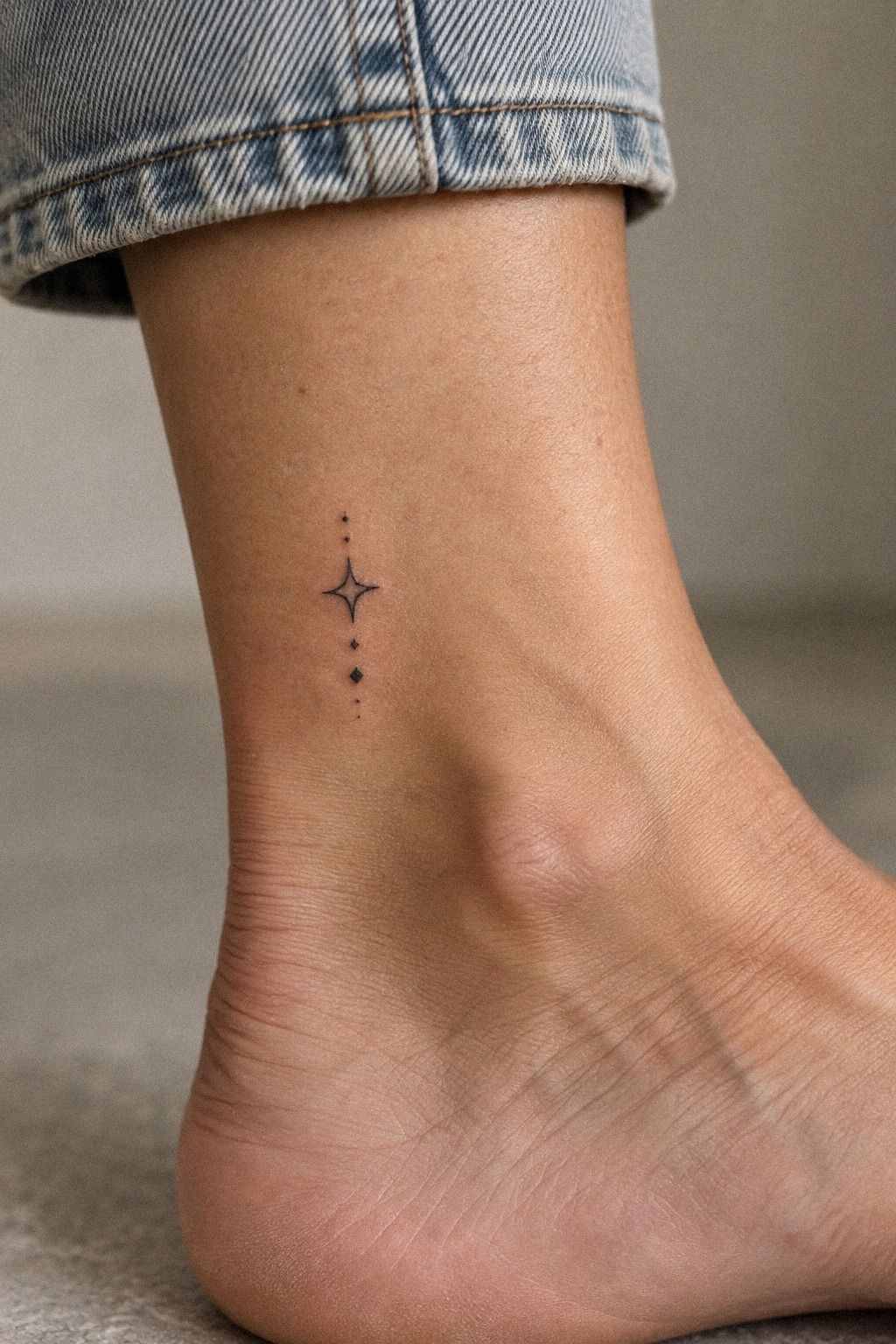
A wrist mandala can look intricate without becoming loud. A centered structure, restrained spacing, and open skin between the petals keep a fine-line mandala understated.
If you want something discreet, ask your artist to keep the outer ring crisp. Avoid squeezing too much detail into the center.
A cramped design can blur sooner than you’d expect.
Your artist should show healed examples, not only fresh work. Fine lines may widen over time, especially with regular sun exposure.
You’ll want someone who understands scale and skin movement. I’d choose a slightly larger, cleaner mandala over a tiny knot of detail every time.
It’s more timeless, more readable, and still elegant beneath a watch or sleeve.
For more wrist placement ideas, browse these tiny small wrist tattoos. You can compare centered designs with pieces that sit closer to the thumb side. A geometric mandala also works well when your personal style is refined but not ornate.
Keep the simple aftercare routine clear. Wash gently, moisturize as advised, and avoid direct sun while the surface heals.
The visible healing stage usually takes around two to three weeks. Complete healing can take two to three months.
That timeline matters if you’re planning around work, travel, or a limited budget.
2Where Should a Small Wrist Design Sit?
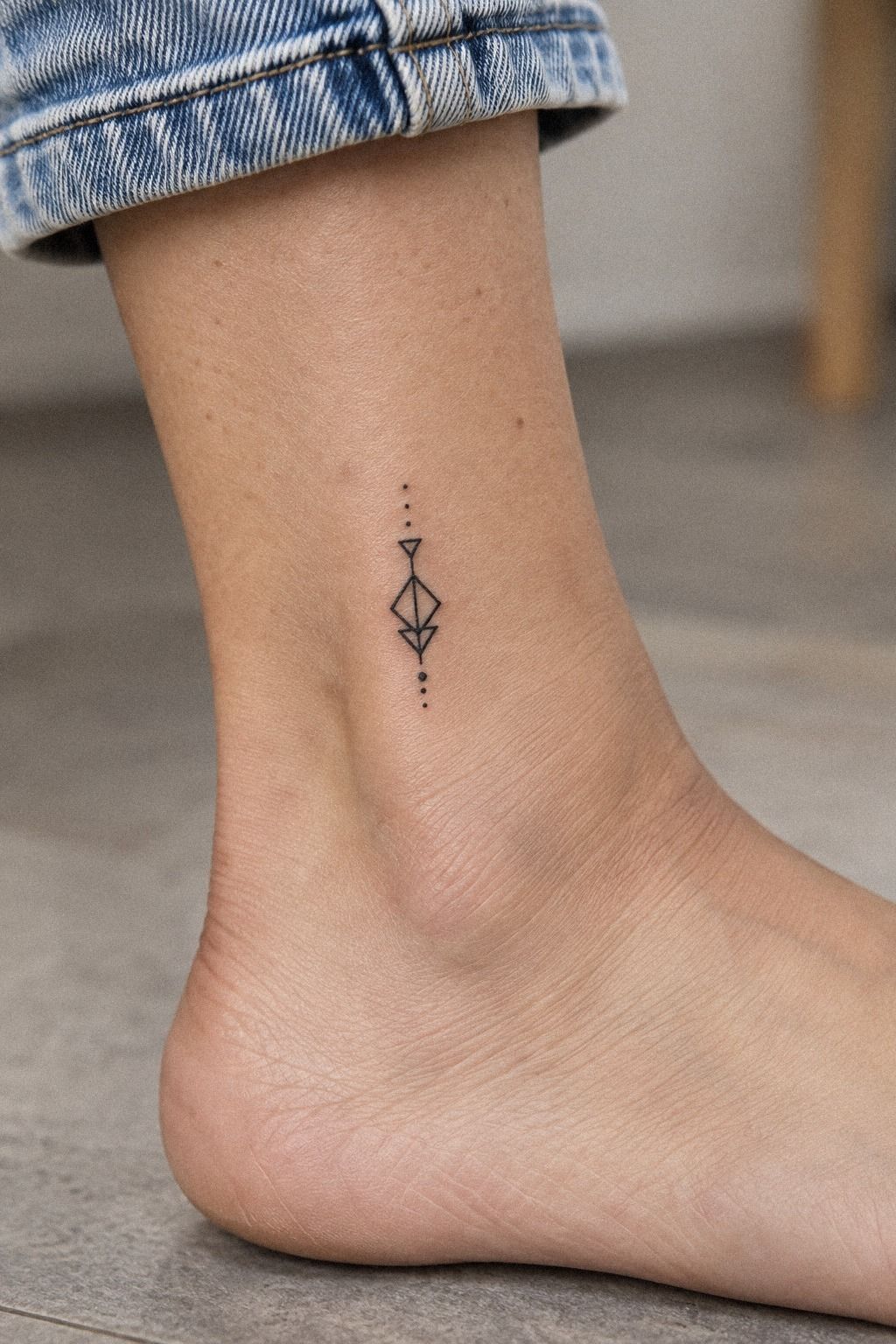
A ruled-line wrist design gives you a sharp, minimal look without heavy shading. Place the wrist tattoo just above the crease.
A watch, narrow bracelet, or long sleeve can cover it when you need privacy. The farther it wraps toward the hand, the more visible it becomes during typing and everyday movement.
You’ll want to consider how the design moves when your hand bends. A straight symbol can look crisp when your wrist is relaxed. It may distort slightly when you type.
I’d skip a dense circle directly over the wrist crease because constant movement can make the placement feel busy. A slim clay-toned line with a muted brass-colored accent just above the crease is usually the stronger choice.
Before deciding, compare this idea with small simple hand tattoos. The hand is more visible and gets more friction.
The wrist gives you better control over privacy and cost. Your artist can also suggest a line weight that remains visible without looking harsh.
A small ruler, triangle, or intersecting grid can feel symbolic without explaining itself to everyone who sees it. That’s the appeal.
It’s crisp, personal, and slightly edgy. Your sleeve can cover it in seconds.
For a first piece, this placement is expressive without demanding constant attention.
3Sacred Geometry, Kept Personal
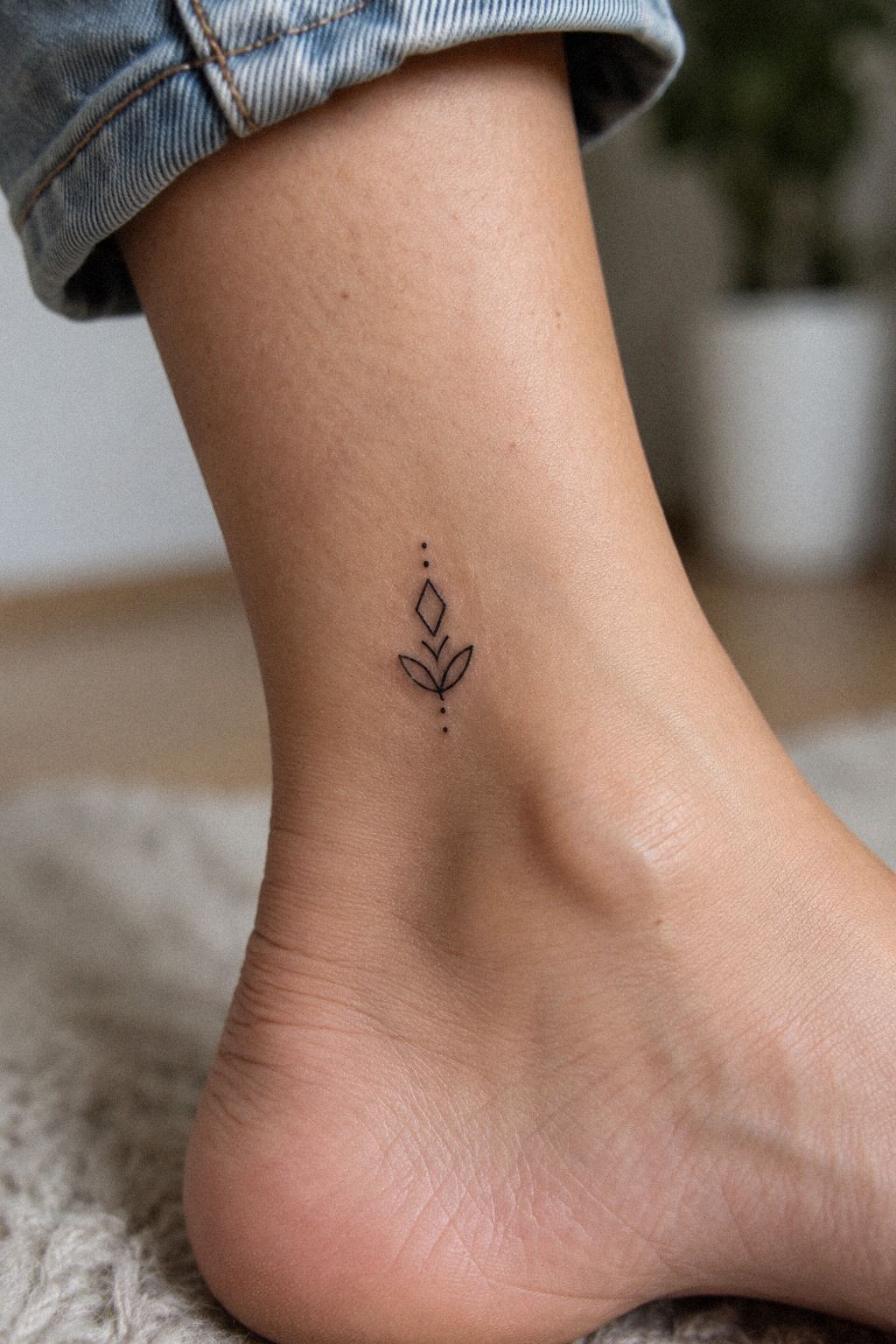
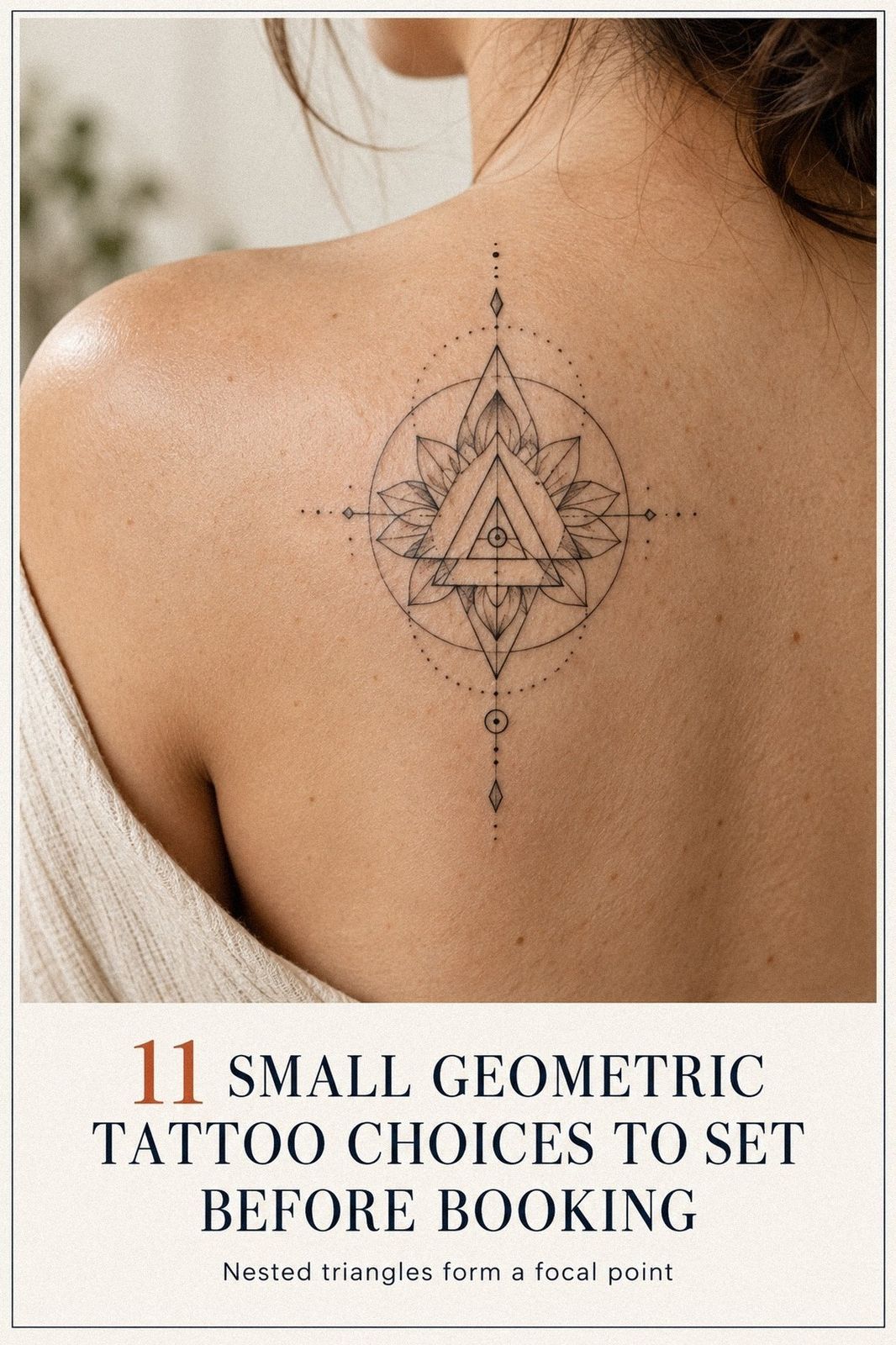
A sternum design can be deeply meaningful when it draws from sacred geometry. A small flower of life, merkaba, vesica piscis, or balanced polygon can feel sacred without becoming crowded. Keep the outer structure clear.
Let one symbolic detail carry the emotional weight.
The sternum placement offers privacy beneath most work clothing. It also moves with breathing and posture.
Your artist should check the stencil while you’re standing naturally, not only while you’re lying down. A delicate design may need slightly wider spacing than the reference you bring.
If you’re comparing options, the small tattoos meaning guide can help you sort personal symbolism from a passing trend. I’d rather choose one meaningful shape than combine several symbols that don’t belong together. That restraint usually gives the final piece a more timeless quality.
A single private design can feel more powerful than a crowded collection of symbols. Keep the geometry graceful, intentional, and personal.
4Build Texture with Dotwork
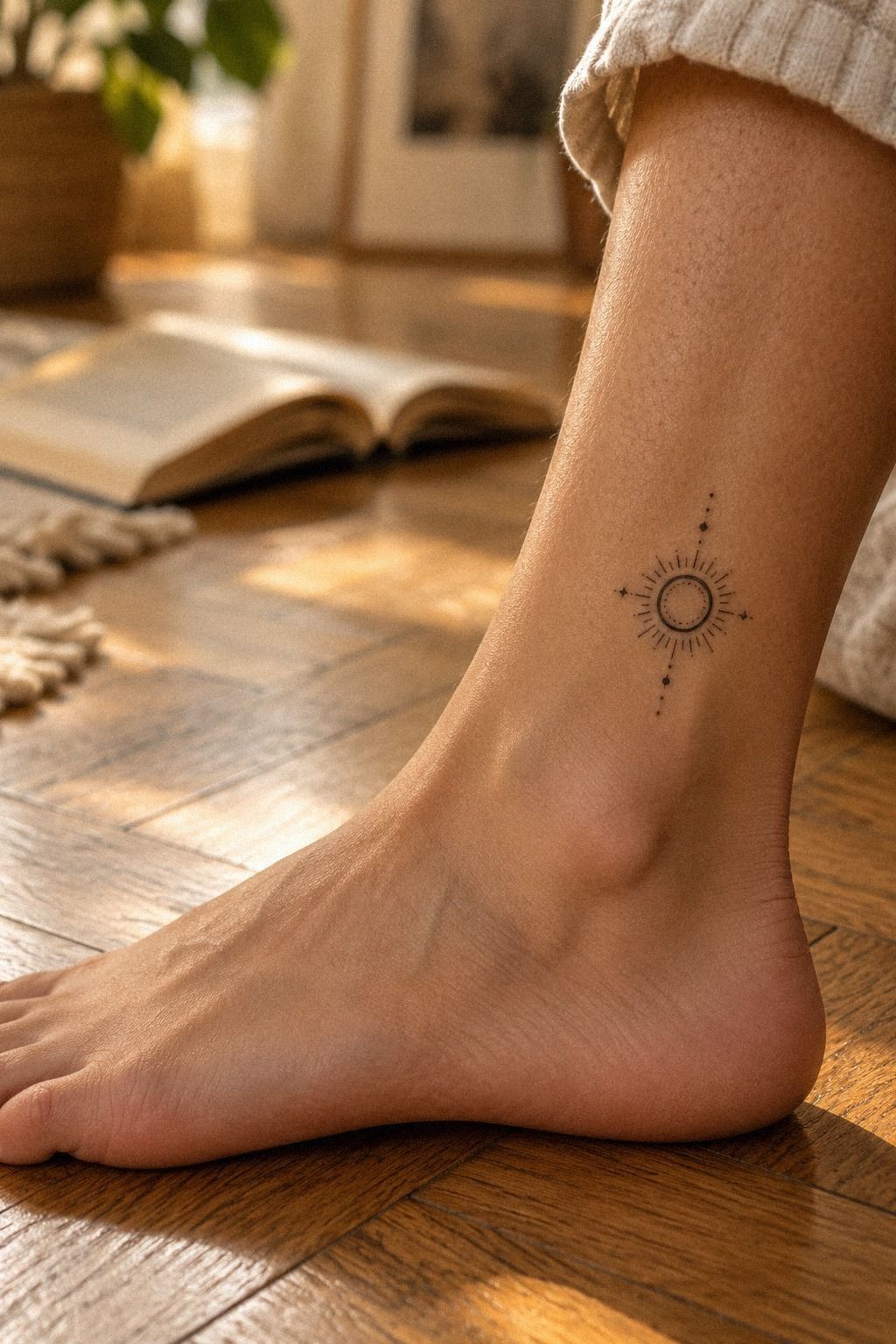
Ask your artist to keep the negative space generous.
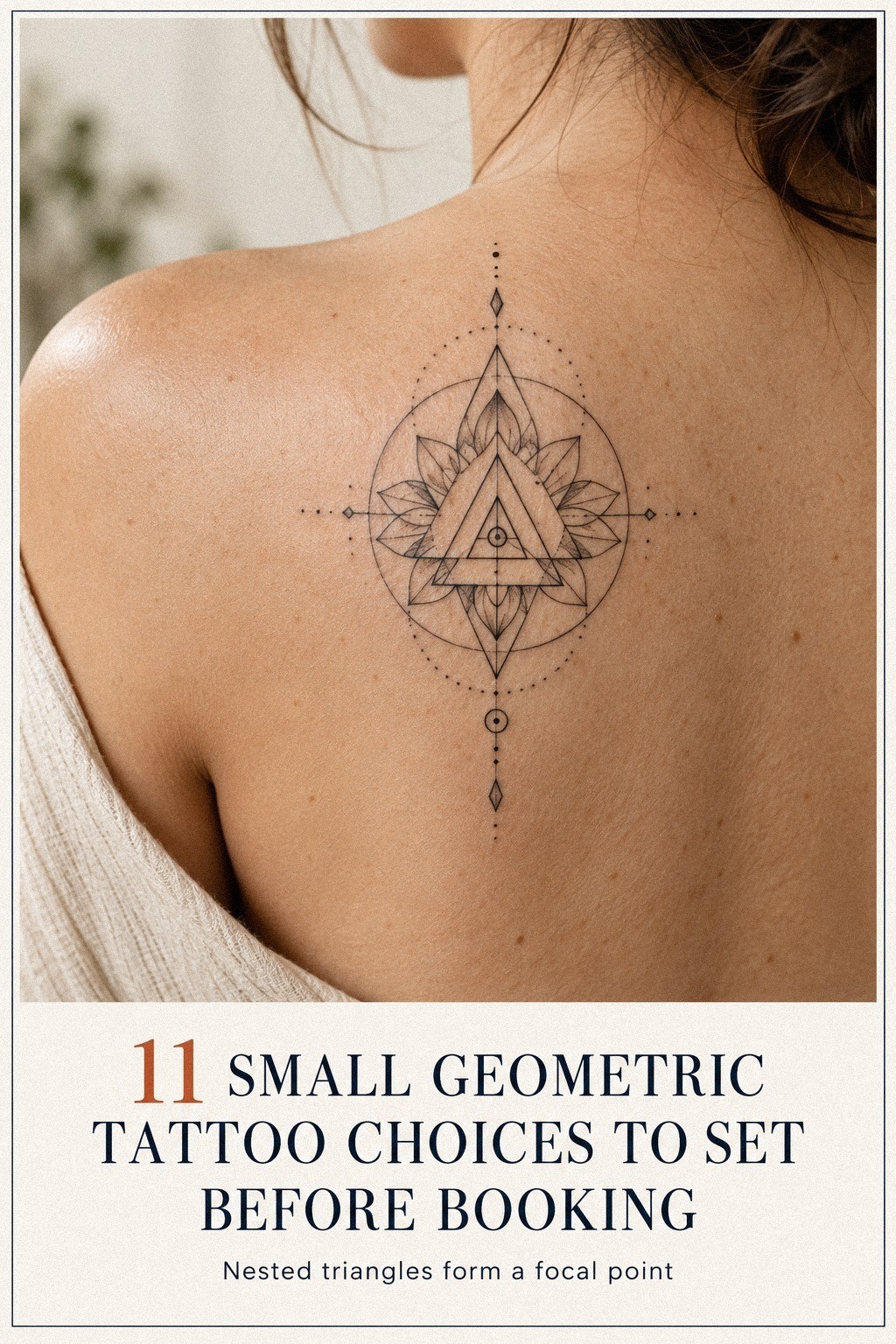
Dotwork can add texture without turning a small geometric tattoo into a heavy patch. Use dots to shade one edge, define a curve, or suggest depth inside a restrained shape. The effect can be intricate and understated when the spacing stays consistent.
A mandala, triangle, or small radial symbol can carry dotwork beautifully. I’d avoid filling every gap. Controlled dotwork gives the design a more elegant rhythm and helps the skin remain part of the composition.
5Behind the Ear: The Quiet Flash
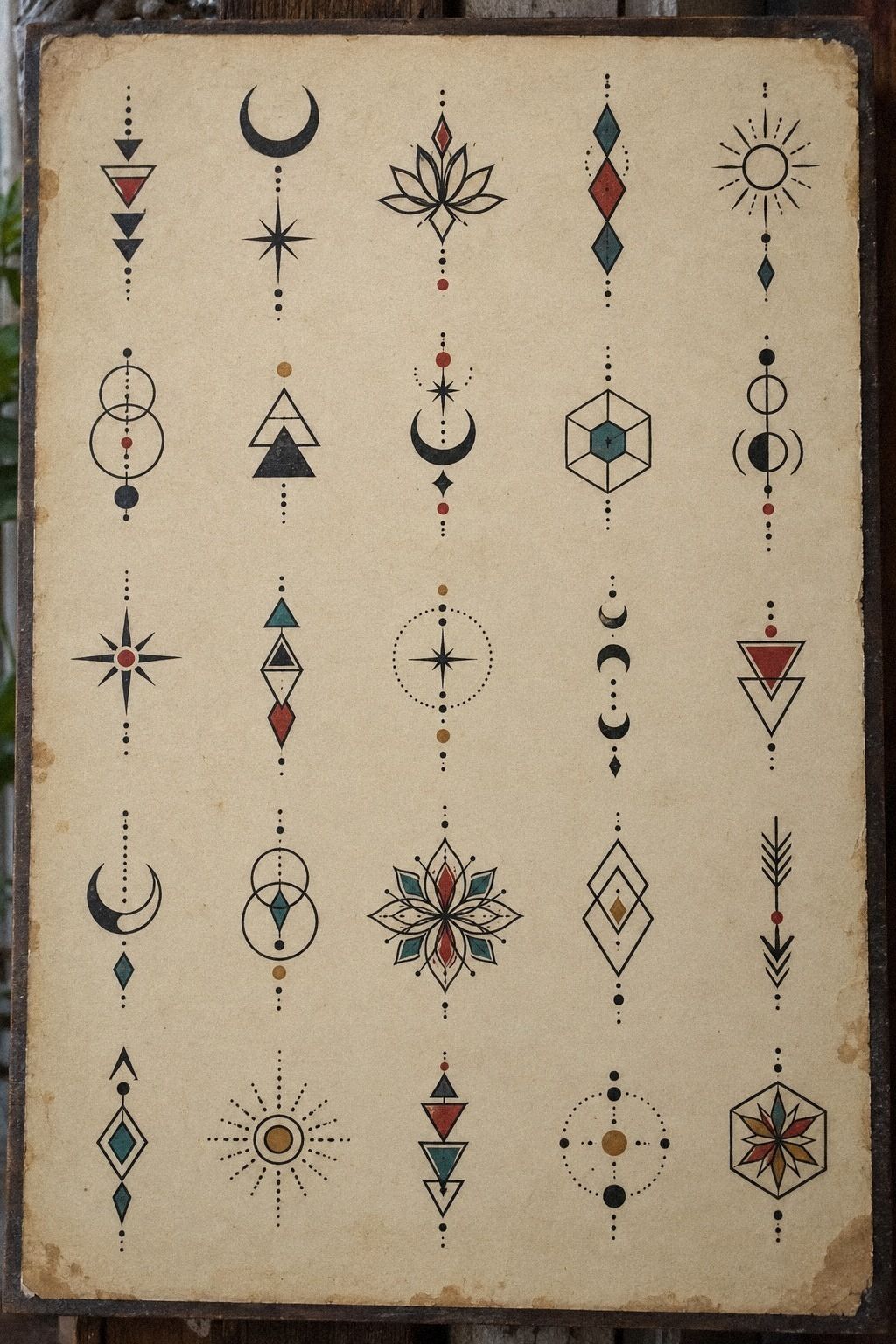
Behind-the-ear tattoos can be discreet when the design uses one strong silhouette instead of too many nested shapes. A small diamond, angular sun, abstract eye, or behind-the-ear placement can stay hidden beneath hair or a collar during work.
You’ll need to simplify any flash concept before using it as a final stencil. A design that looks readable on paper may be too dense for this narrow area.
I’d choose one memorable outline with two or three interior lines, not six. Your skin needs breathing room so the mark doesn’t become a dark blur.
For another concealed option, look through tiny small spine tattoos. The spine gives you more vertical space.
Behind the ear is daintier and easier to hide with hair. If the design needs more room, the spine may offer better value than forcing every detail into a tiny area.
Behind the ear can also be sensitive because the skin is thin and close to bone. Your session may feel sharper than an outer-arm tattoo, even if the design is small. Still, the result can be classic, iconic, and easy to cover when your workplace calls for it.
6Let an Animal Silhouette Carry the Meaning
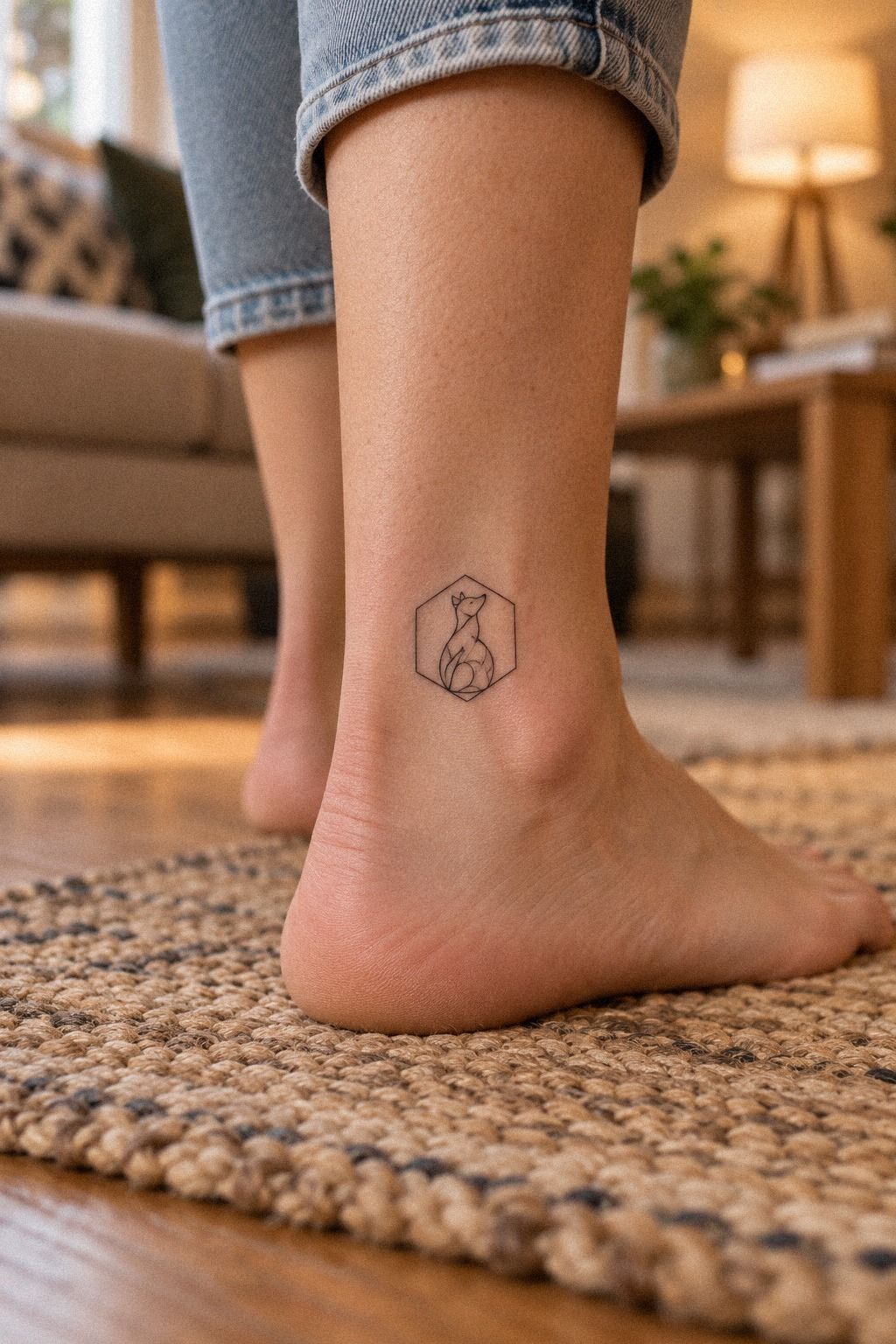
A geometric animal silhouette brings personality into a compact design. A fox, bird, cat, or moth can become expressive when the shape is built from angular planes rather than soft realism. The key is giving the animal silhouette tattoo one recognizable gesture instead of cramming in every feature.
Your artist should plan contrast for your skin tone instead of relying on a generic stencil. Forest-green or rust-toned ink can read beautifully when the lines are spaced well. The silhouette also needs enough open skin around it.
I’d skip an overly detailed face. A recognizable outline will age more gracefully than tiny eyes or whiskers.
Geometric animal linework can be meaningful without looking childish. A moth may represent change.
A bird may suggest freedom. A fox may carry a clever or fiercely independent quality. You don’t need to explain the symbol to every coworker.
The personal meaning can stay yours.
For a more concealed option, adapt the same animal into a smaller hand-side or upper-arm design. These small tiny hand tattoos show how scale changes the feeling of a symbol. Your best version will have one clear silhouette, one controlled line weight, and no unnecessary clutter!
7Are Finger Tattoos Truly Discreet?
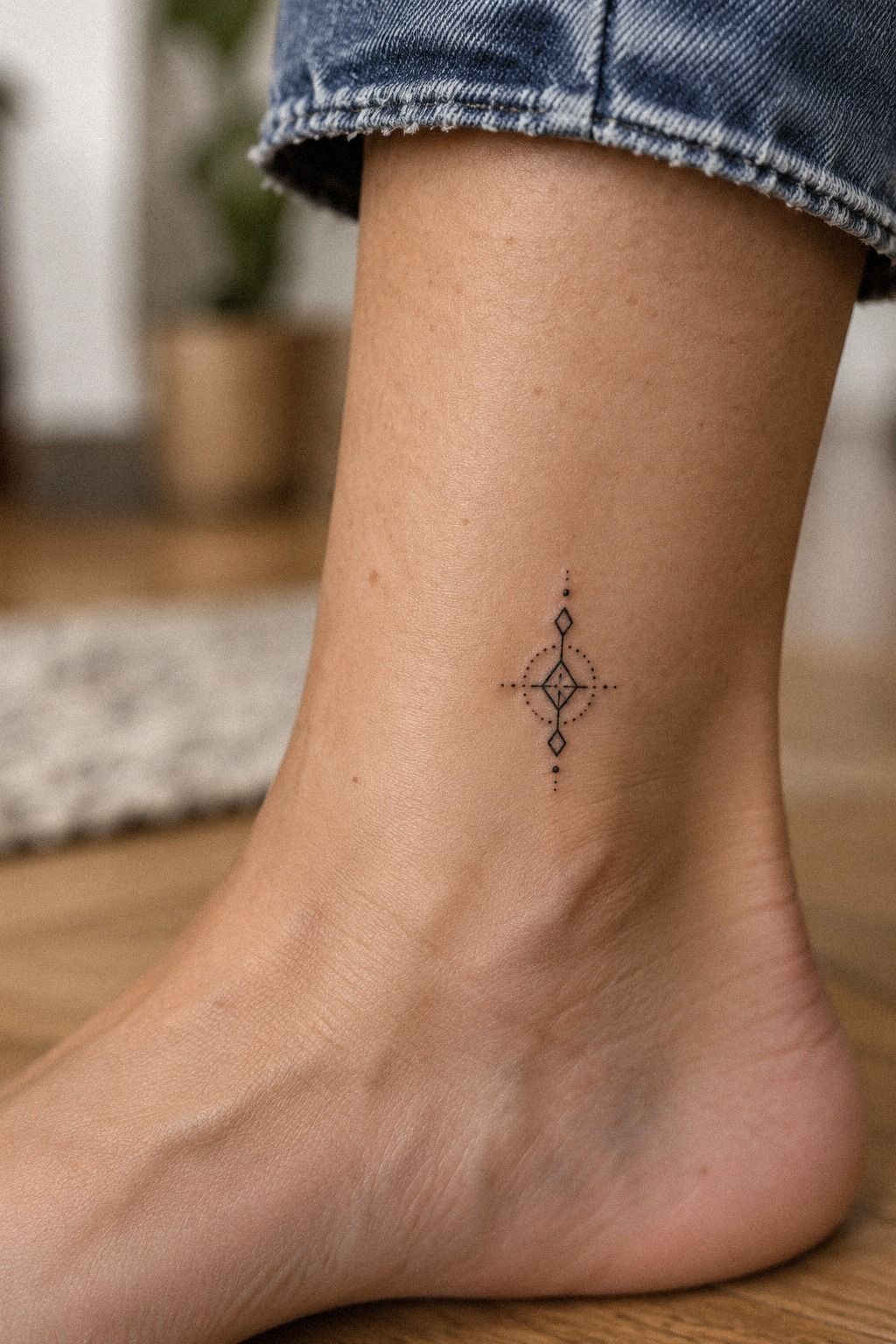
Finger tattoos are sharp, visible, and harder to keep private than wrist or rib placements. Even a tiny finger tattoo can show while you type, shake hands, open a notebook, or reach for a phone. Visibility changes everything!
If your job requires complete discretion, choose the side of the finger. You could also place the design where a ring can cover part of it.
Even then, you should expect more friction, hand washing, and exposure than with an upper-arm tattoo. Finger placement can be daring, but it isn’t the safest choice for concealment.
Compare the idea with small side hand tattoos before you commit. The side hand gives you slightly more room and can support a crisp symbol, although it remains visible.
Ask your artist how often that placement needs a refresh. Include possible touch-up cost in your decision.
A single line, tiny triangle, or narrow band usually works better than a detailed geometric scene. You’ll want generous negative space and a shape that still reads when the hand bends. If you’re unsure, test the workday stencil before booking.
8Bold Blackwork vs. Fine Line
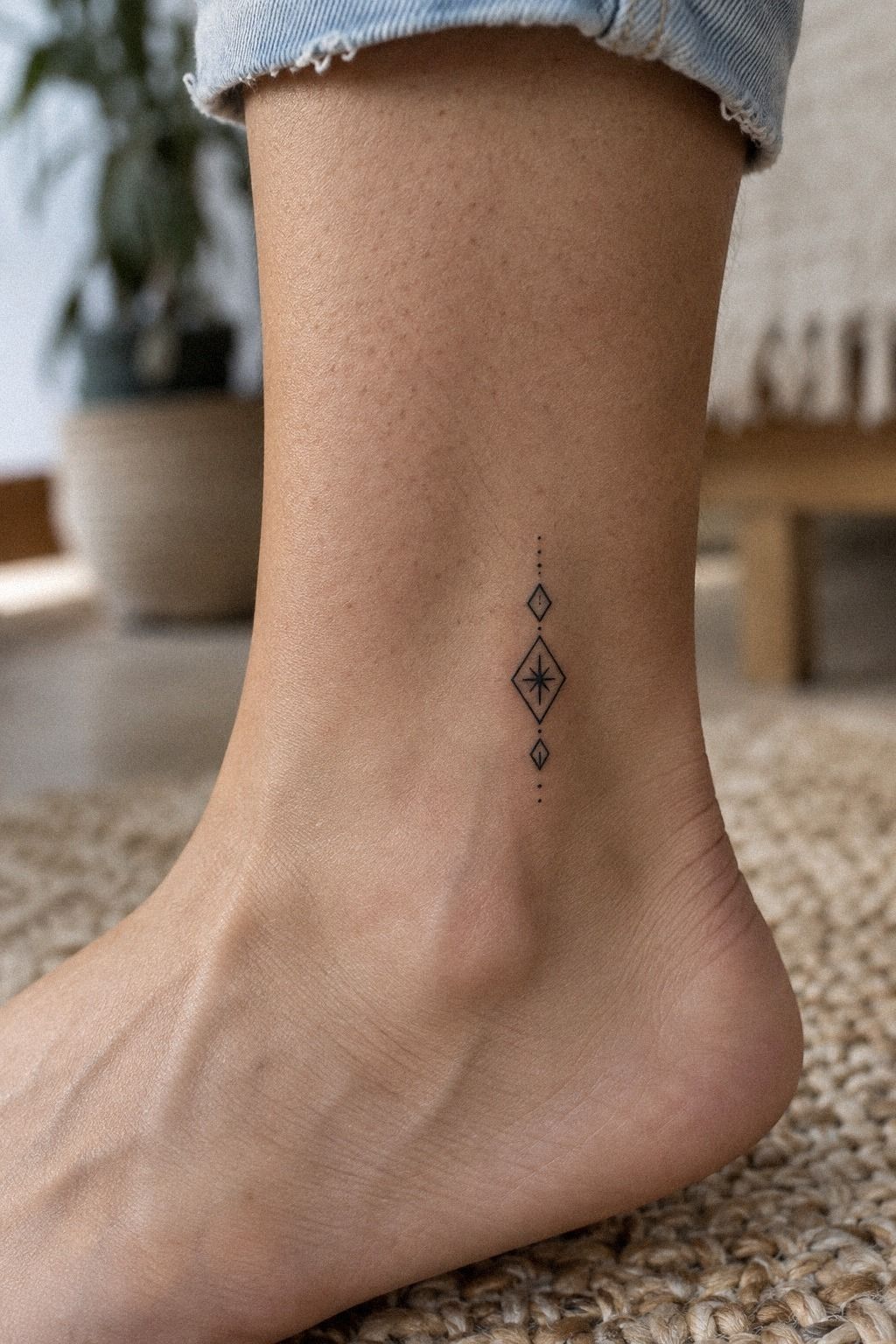
Fine line creates a lighter effect, but it needs enough spacing to stay clear. Fine-line work can look sleek and delicate when the design has room to breathe.
Blackwork creates stronger contrast and a more graphic, powerful result. It can be striking on a small design, but dense fills may feel less discreet beneath light clothing. Ask your artist whether a partial fill, crisp outline, or selective shading suits your placement.
The best choice depends on your skin, the size of the symbol, and how much visual presence you want. A bold accent can make a minimal design feel iconic without making the entire tattoo heavy.
9A Constellation with a Private Orbit
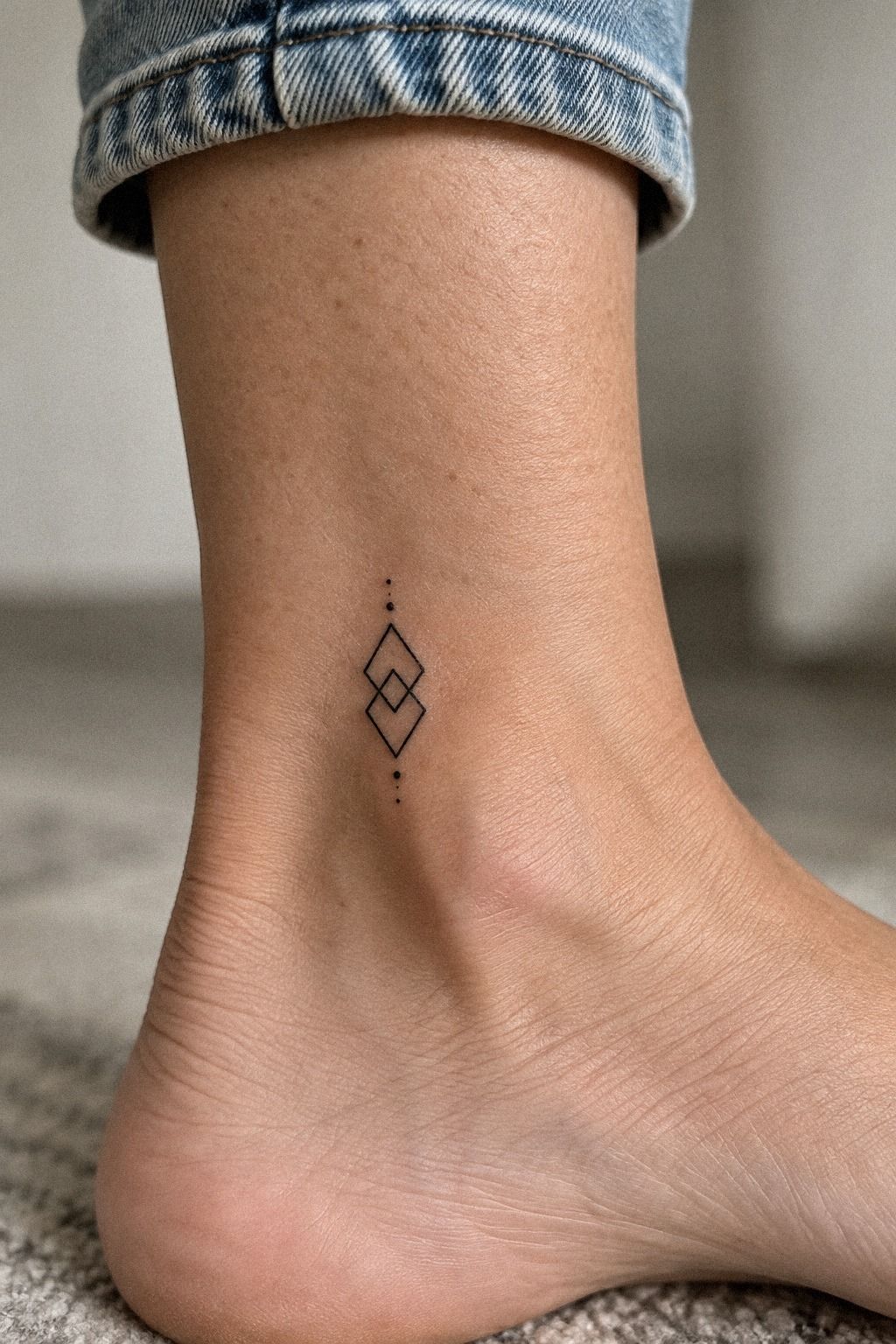
A constellation tattoo behind the ear can be delicate and symbolic without looking overly literal. Choose a real constellation, a personal star map, or an abstract pattern that only resembles one. Three to five major points are usually enough for a readable constellation tattoo.
Your artist should keep the dots and connecting lines balanced. Too many points can turn a discreet tattoo into a dense patch. Too few may lose the constellation effect.
I’d let the surrounding skin do some of the visual work. The restraint feels more ethereal and timeless.
If you want a placement with more room, compare this concept with small side hand tattoos. Behind the ear hides more easily.
The side hand gives the design a stronger graphic presence. Consider visibility, workplace rules, and long-term cost before choosing the more exposed option.
Constellations can carry an intimate meaning without words. Maybe the pattern marks a birth month, a loved one, or a night you remember clearly.
The finished tattoo can feel graceful, elegant, and personal while staying beneath your hair during office hours. A personal constellation can hold a large memory.
10What Changes on the Ribcage?
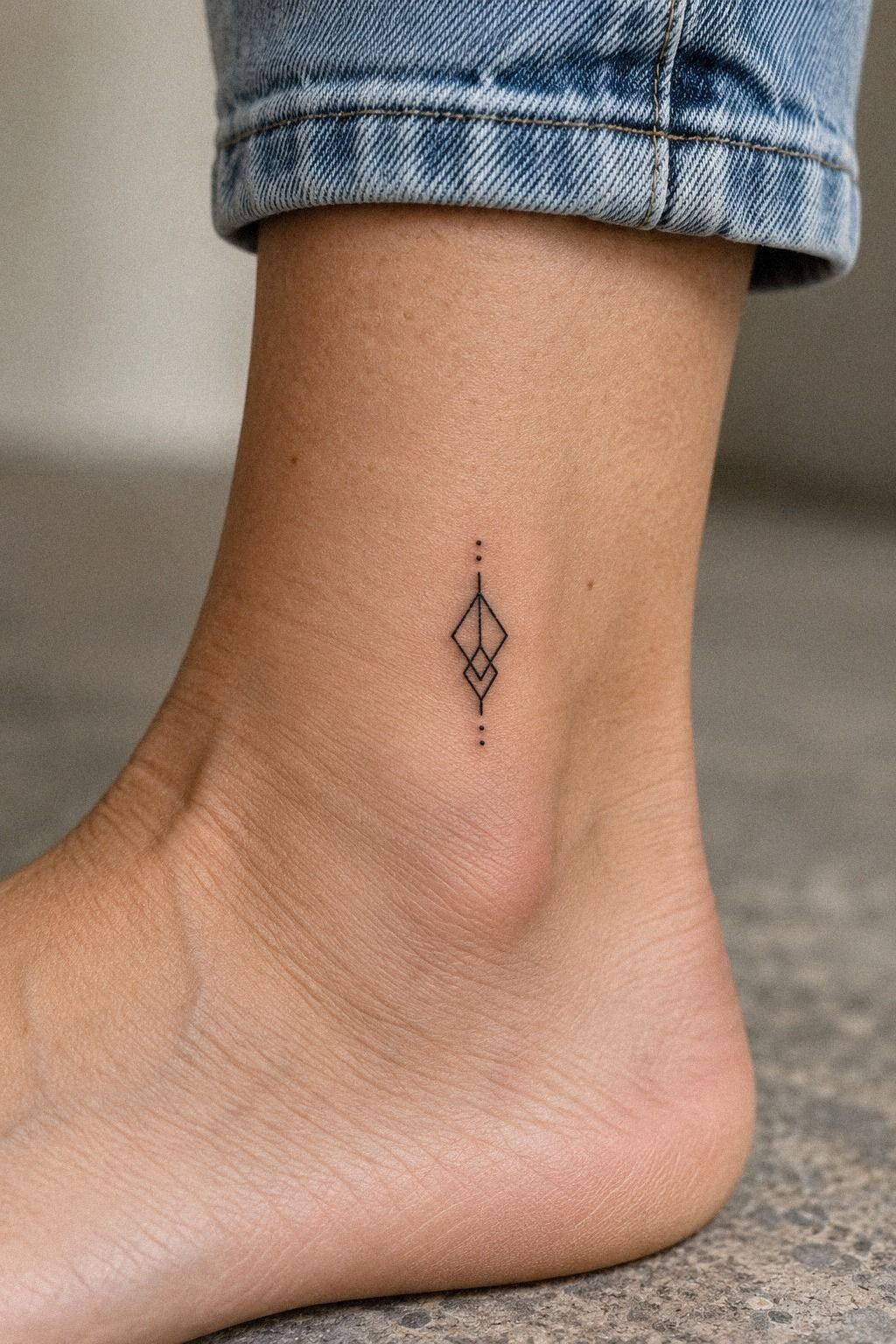
A ribcage tattoo gives you substantial privacy beneath a shirt, but the placement demands careful planning. A geometric symbol can follow the curve of the ribs, sit beneath the breastbone, or remain closer to the side. Your ribcage placement should be checked while you’re standing, sitting, and breathing normally.
The ribcage is also a more sensitive area because the skin sits close to bone and moves constantly. A small design may still require patience during the session. If you’re comparing options by pain, privacy, and value, the upper arm or calf may offer an easier experience.
Keep the design readable from a short distance. Fine lines, open shapes, and limited interior detail can look delicate without disappearing into the body’s natural movement. A geometric arc or split circle often works better than a packed mandala.
For related placement ideas, revisit tiny small spine tattoos. The spine and ribcage both offer strong concealment, but they create different visual rhythms. I’d choose the location that still feels meaningful when nobody else can see it.
11Hide Meaning in a Simple Symbol
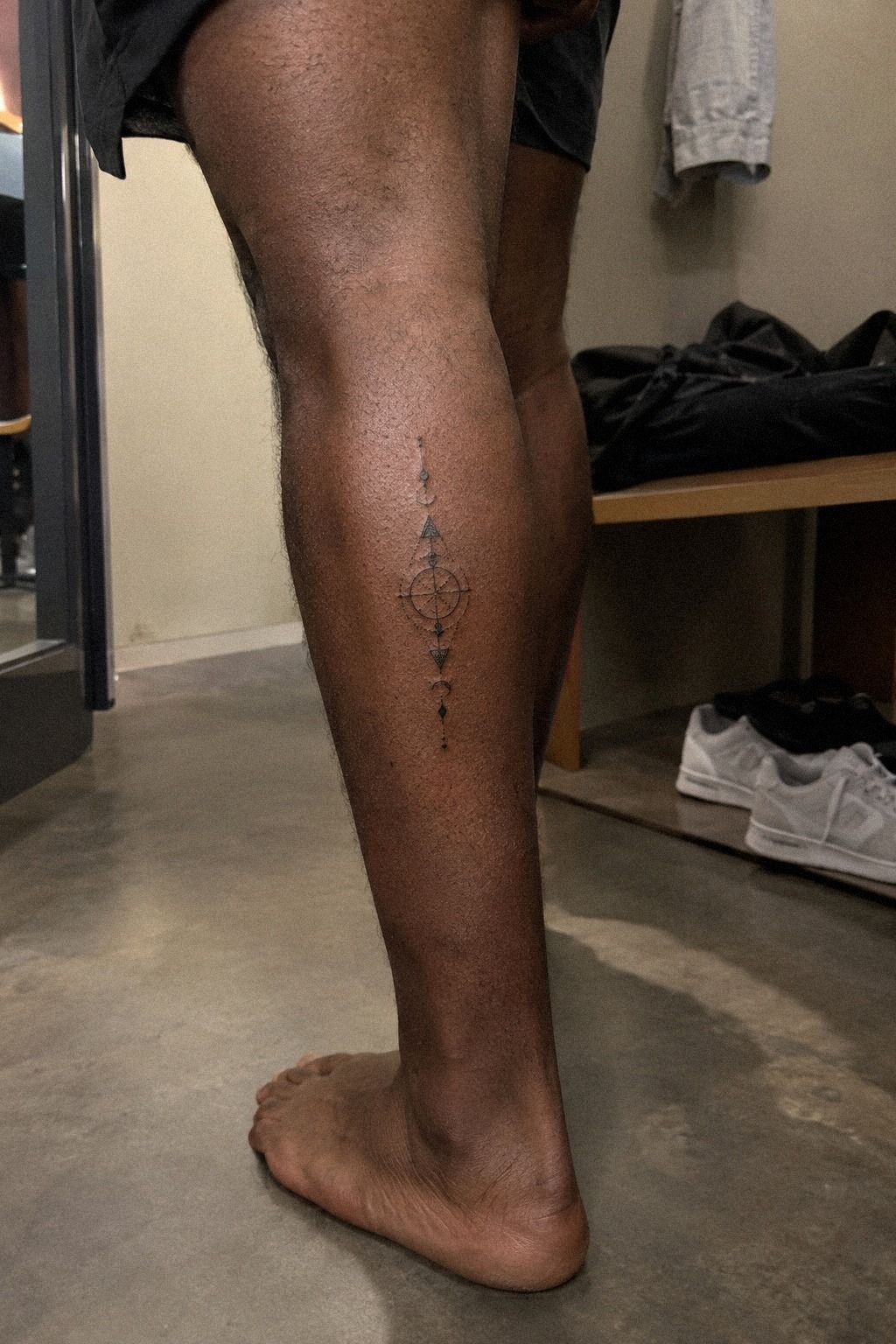
A hidden symbol on the calf gives you privacy without sacrificing meaning. A geometric design can stay concealed beneath trousers or longer socks, making the calf a practical hidden calf tattoo for a conservative workplace. It’s personal without demanding daily visibility.
You can hide meaning inside the structure itself. A small initial can become a line intersection.
A date can become a sequence of dots. A family reference can become a repeated triangle. I’d keep the outer shape simple and let the symbolic detail live in one or two places.
That makes the design easier to read and less likely to feel forced.
A terracotta-and-olive symbolic line tattoo can be delicate, bold, or quietly edgy depending on the line weight. Your artist should test the stencil position while you stand and walk.
Calf muscles change shape with movement. A design that looks centered while seated may shift when your leg is relaxed.
For more ideas about meaning and placement, revisit the small tattoos meaning guide. You can also compare the calf with the wrist or ribcage before deciding. The best hidden symbol is one you’ll still understand years from now, even if nobody else ever asks about it.
Placement First: The Cover Test
Before booking, wear the clothing you’d normally wear to work and test where the stencil disappears. The goal isn’t simply concealment.
It’s reliable concealment during reaching, typing, walking, and sitting. A workday cover test can reveal problems that a mirror won’t.
Ask your artist to position the stencil placement while you move naturally. Sleeves ride up, collars shift, and trouser legs change position throughout the day. If the design becomes visible during a routine gesture, you’ll want to adjust the placement before the session.
A watch or bracelet can help cover a wrist tattoo, but don’t depend on an accessory you rarely wear. Your workplace policy may also change, so leave yourself a little extra privacy. That small amount of planning can protect the design’s meaning and your professional comfort.
How Much Visibility Can You Live With?
There’s a difference between hidden, occasionally visible, and openly displayed. A discreet tattoo placement should match your actual tolerance, not the version of yourself you imagine after seeing a striking reference online.
The wrist and forearm are easy to inspect. The calf, upper arm, ribcage, and sternum offer more control.
Behind the ear sits somewhere in between. You’ll want to think about meetings, uniforms, warm-weather clothing, and whether covering the tattoo will become annoying.
If you’re still comparing small options, these tiny small wrist tattoos can help you judge how much graphic presence a compact design needs. I’d rather choose a slightly larger piece in a private location than shrink the design until it loses clarity.
Line Weight, Skin Tone, and Long-Term Readability
Line weight should respond to the design, placement, and your skin, not to a trend. A readable line weight gives small geometry enough contrast to remain recognizable without making the tattoo feel heavy.
Ask to see healed portfolio work on a range of skin tones and in natural light. Fresh tattoos often look sharper than they will after settling. Your artist should explain how spacing, contrast, and placement affect the finished result.
Dotwork, fine line, and blackwork each age differently. The best choice depends on how much maintenance you’re willing to consider, how visible the tattoo needs to be, and whether a future touch-up fits your budget. Blackwork can feel bold, while fine line stays more delicate.
Cost, Value, and the Artist You Choose
Small doesn’t always mean inexpensive. A small tattoo cost may include a shop minimum, consultation time, design preparation, and the artist’s specialized skill. A lower quote isn’t necessarily better value if the linework needs correction later.
Ask whether the price is hourly, flat-rate, or based on the shop minimum. Compare healed portfolios, hygiene standards, and placement advice before comparing numbers. Paying more for careful work can be worth the cost when the tattoo is meant to stay with you.
If you’re planning a strict budget, simplify the design before reducing the artist’s experience level. Fewer interior details can make the tattoo clearer, faster, and more affordable. The right compromise protects long-term readability.
Your Pre-Booking Checklist
Before you reserve the appointment, save references that share the same placement, scale, and style. These small simple hand tattoos may inspire a symbol, but your artist still needs to adapt it to your anatomy. A copied shape won’t automatically fit your body.
Bring one primary idea and one backup direction. You’ll want to discuss size, line weight, visibility, healing, aftercare, and possible touch-up needs. It’s easier to make a clear decision when you aren’t presenting twenty unrelated references.
Check the studio policies, payment expectations, and cancellation terms in advance. A transparent conversation about cost and timing is part of choosing a professional artist. Don’t rush because a design feels fashionable today.
The Three-Check Rule I Use Before Choosing Small Geometric Ink
I judge a small geometric tattoo with three checks: can I read it from a few steps away, can I cover it when needed, and does the meaning still matter without a caption? That sounds simple, but it catches most weak ideas before they reach the stencil. A design can be striking on a screen and confusing on skin.
The first check is scale. Fine lines need breathing space, especially when the design includes circles, dots, or nested shapes.
The second is placement. A wrist, calf, or upper arm gives you more control than a finger or hand, while the sternum and ribcage offer privacy at the cost of more discomfort.
I’ve changed my mind more than once after seeing a stencil on a moving body.
The third check is personal meaning. Don’t choose blackwork because someone online called it timeless if you prefer delicate linework.
Don’t choose a constellation because it’s stylish if you don’t connect with the symbol. Your tattoo should feel personal, expressive, and empowering when nobody else is looking.
For cost planning, typical US tattoo pricing can vary by artist, region, and shop minimum. These are useful ranges to discuss before you book:
I’d rather pay for a healed portfolio and careful placement than chase the lowest quote. Your artist’s healed work tells you more than a polished social post. That’s where a polished, refined result usually starts, and where long-term value matters most.
What People Always Want to Know
How much does a small geometric tattoo usually cost?
A small geometric tattoo typically costs about $100 to $300 in the US. A shop minimum may run $50 to $100, and hourly rates often fall around $100 to $250. Tattoo pricing depends on the artist, region, placement, size, and amount of detail.
Your artist should explain whether the quote includes the consultation and whether the studio charges a minimum. Compare healed work, hygiene standards, and line quality before comparing prices. A cheaper tattoo isn’t worth it if you’ll need an early correction.
Are small geometric tattoos a good idea for a first tattoo?
Yes, small geometric tattoos can be a good first choice because you can select a discreet placement and a focused design. Manageable scale lets you learn how your skin responds without committing to a large piece.
The wrist, outer forearm, thigh, and shoulder are often more tolerable than ribs, feet, hands, or sternum. Choose a symbol that feels meaningful to you rather than copying a trend that may lose its appeal.
How do I choose a tattoo artist for small geometric tattoos?
Choose an artist with clean linework, healed photos, and strong hygiene practices. A proven portfolio matters more than a dramatic social feed, especially for fine lines, dotwork, and geometric symmetry.
Ask how the artist handles placement, skin movement, and long-term line spread. You can bring references, but your artist should adapt the design to your anatomy instead of tracing a shape that won’t sit correctly. I’d consider that expertise worth the cost.
How much do small geometric tattoos hurt?
Pain varies by person and placement. Ribs, feet, hands, fingers, and sternum are often more painful because they have thinner skin or sit close to bone.
The outer forearm, thigh, and shoulder are usually more tolerable. Placement comfort can shape your whole experience.
Your session may feel sharper in a sensitive area even when the tattoo is tiny. Eat beforehand, stay hydrated, and tell your artist if you need a pause. There’s no prize for pretending you’re comfortable.
How long does a small geometric tattoo take to heal?
The surface usually heals in about two to three weeks, while complete healing can take roughly two to three months. Simple aftercare includes gentle washing, the moisturizer recommended by your artist, and avoiding strong sun and swimming while the surface recovers.
Don’t pick flakes or scratch the area, even if it feels itchy. Your artist’s instructions should take priority because products and healing responses vary. Once healed, sun protection can help preserve contrast and clarity.
What’s the best placement for small geometric tattoos?
The best placement depends on visibility, pain, and how much privacy you need. The outer forearm, thigh, shoulder, and calf are often practical, while the ribcage, sternum, hands, and feet are more sensitive. Flexible placement gives you more control over workday coverage.
For discreet ink, consider the calf, upper arm, behind the ear, or ribcage. For easier viewing, choose the wrist or forearm. You’ll want to test the stencil while standing, sitting, and moving before the needle begins.
Where I’d Start First
If I had to pick one, I’d start with the small geometric mandala on the wrist. It’s readable, easy to cover, and less likely to become a blurred knot of detail than an ultra-tiny symbol. Pin the mandala idea for later and compare it with these tiny small wrist tattoos before booking.
If the wrist feels too visible, I’d move the same concept to the calf or upper arm rather than shrinking it further. That keeps the design personal, crisp, and meaningful.
It also gives you a better chance of protecting the tattoo from unwanted attention at work. That’s worth protecting!